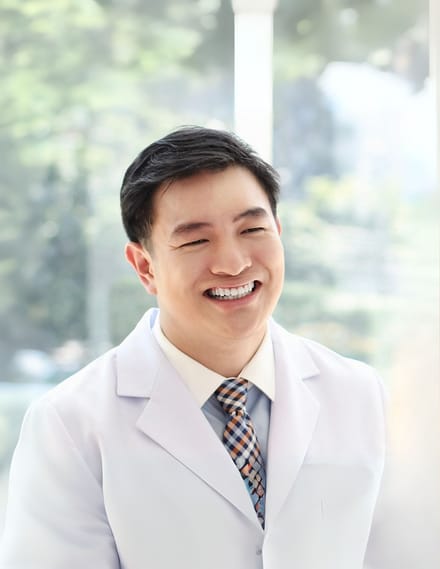
Dr. Patsama Vichinsartvichai
MD, MClinEmbryol, EFOG-EBCOG, EFRM-ESHRE/EBCOG, FACOG
Ovarian cysts are fluid or semi-solid sacs on or in the ovary. Common in reproductive-age women. Most are asymptomatic and resolve on their own within a few cycles.
Common Types
Functional Cysts
- Follicular cyst — Follicle that didn't rupture. Usually resolves in 1–3 months.
- Corpus luteum cyst — Forms after ovulation. May rupture causing acute pain.
Pathological Cysts
- Endometrioma (chocolate cyst) — From endometriosis, contains old blood
- Dermoid cyst (teratoma) — Contains various tissues including hair and teeth
- Cystadenoma — Benign but can grow very large
- PCOS — Multiple small cysts
Warning Symptoms
- Acute severe pelvic pain (rupture or torsion)
- Chronic pelvic pain, dyspareunia
- Menstrual irregularities
- Bloating, abdominal distension
- Frequent urination from pressure
Diagnosis
- Transvaginal ultrasound — first line
- 3D ultrasound — better characterization
- CA-125, HE4 blood tests — malignancy screening
- MRI — for complex cases
Treatment Decisions
Treat: Suspicious features, > 5–10 cm persistent cyst, rupture or torsion, endometrioma affecting fertility, cyst in postmenopausal women
Watch: Small functional cyst < 5 cm in reproductive-age — repeat ultrasound in 6–8 weeks
Treatment Options
- Observation with follow-up ultrasound
- Combined oral contraceptives — prevent new functional cysts
- Laparoscopic cystectomy — remove cyst, preserve ovary
- Oophorectomy — for high malignancy risk
Cysts and Fertility
Endometriomas can reduce egg quantity and quality. Balancing surgery vs. moving directly to IVF is a nuanced decision because endometrioma removal may reduce AMH.
PCOS causes irregular ovulation, treatable with ovulation induction or IVF.